Panorama
Jos de Gruyter & Harald Thys, Kartoffelmuseum Nr. 7 (Leonie Nagel & Max Stocklosa),
Clara Hofmann, Adrian Lück & Gregor Peschko
11.02. -12.04.2026
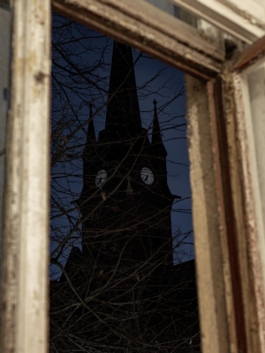
Photos: dotgain.info
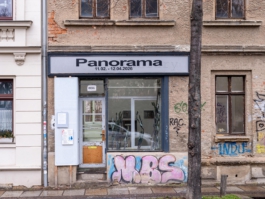
Ansichtskarten von Camburg seit 1896, historische Miniaturlandschaften, Turmuhrwerke, texanische Kakteen oder tabellarische Nachweise aller Feuerwehreinsätze im Dorf: In selbstorganisierten Museen, Heimatstuben und -vereinen bewahren Sammler:innen Objekte, ordnen und zeigen sie einer Öffentlichkeit. Ihre Sammlungen erzählen nicht nur davon, was ihre Orte früher waren, sondern auch, was sie hätten sein können oder noch werden könnten. Die Ausstellung Panorama im IDEAL schafft einen Raum, der die Logiken dieser Museen aufnimmt und die Beziehung zu den Objekten, Orten und Erzählungen in den Blick nimmt.
Das Sammeln und Museum-Machen fungiert als Wissenstechnik und identitätsstiftende Praxis jenseits professionalisierter Museumsstrukturen und bewegt sich zwischen Emanzipation, Autonomie und Abgrenzung, Bedeutungsproduktion und bloßer Akkumulation. Panorama fragt danach, wie aus privaten und lokalen Sammlungen Bedeutungen für Ort, Geschichte und Gemeinschaft entstehen – oft unter prekären Bedingungen und getragen vom großen Engagement einzelner Personen.
Wer erzählt? Wie sind Persönlichkeit, Biografie und Sammlung miteinander verwoben? Was wird gesammelt und was bleibt unsichtbar? Welche Vorstellungen von Ort, Zugehörigkeit, Vergangenheit und „Heimat“ werden geprägt und herausgefordert? Welche Brüche zeigen sich?
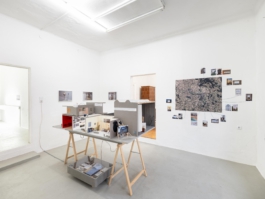
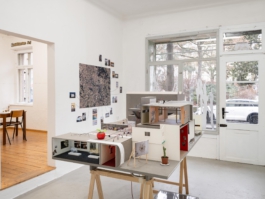
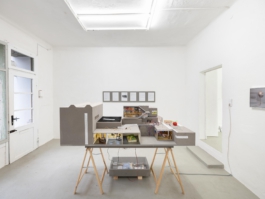
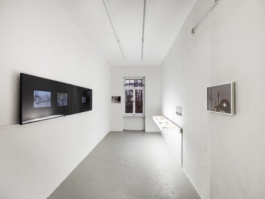
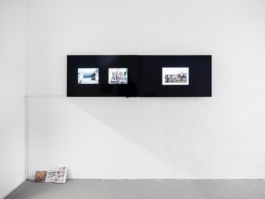
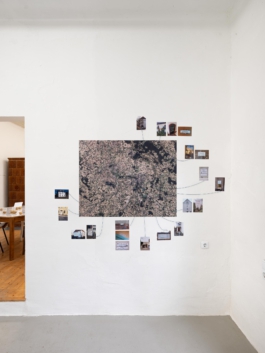
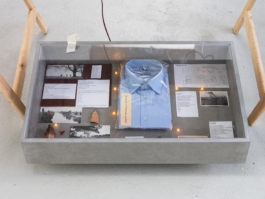
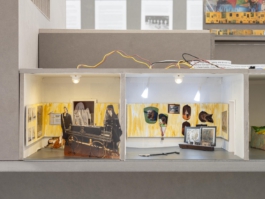
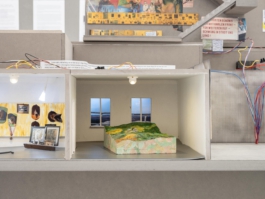
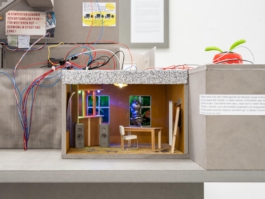
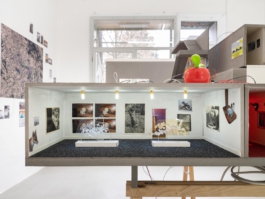
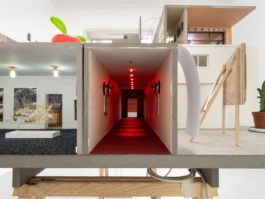
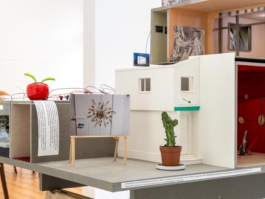
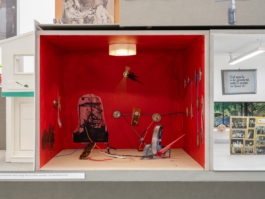
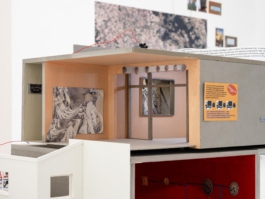
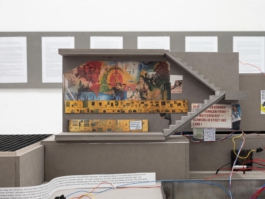
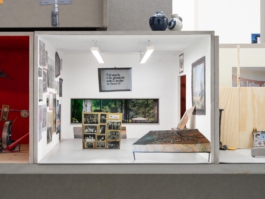
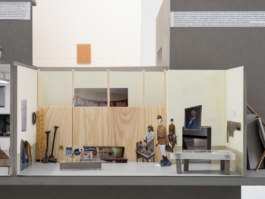
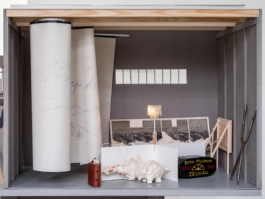
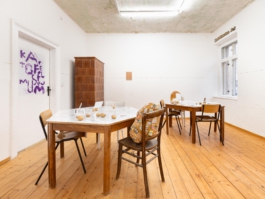
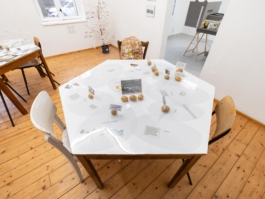
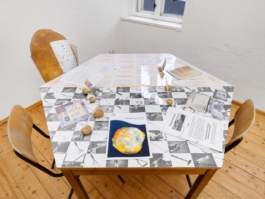
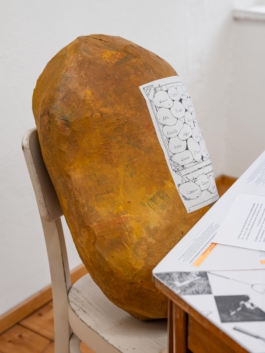
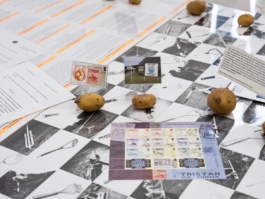
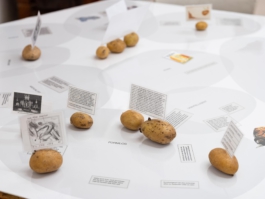
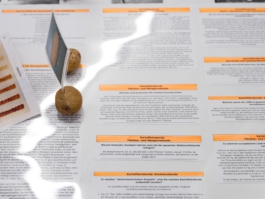
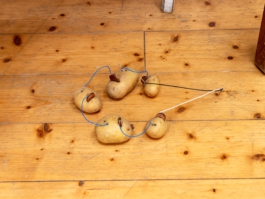
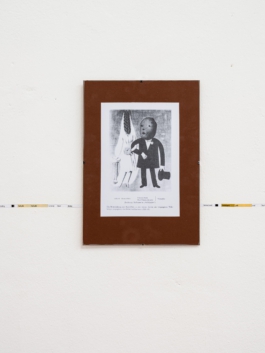
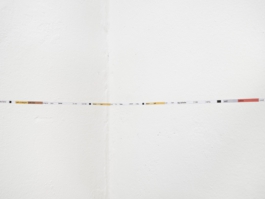
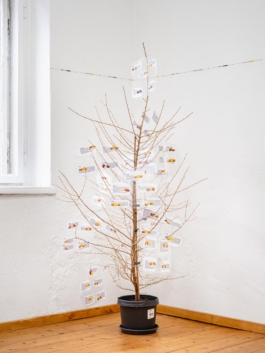
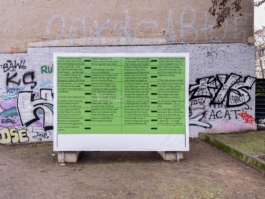
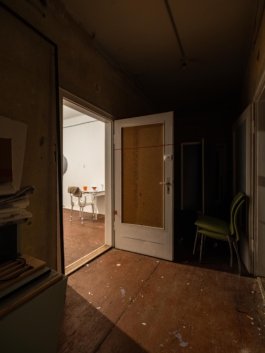
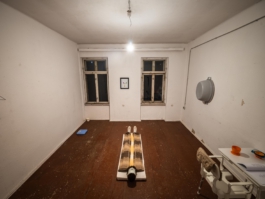
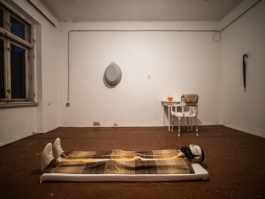
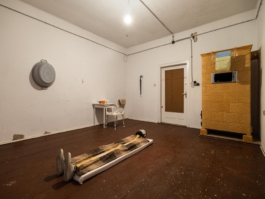
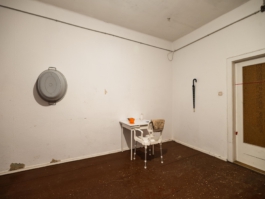
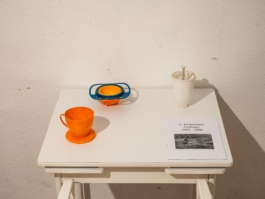
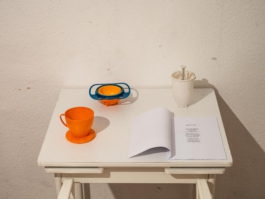
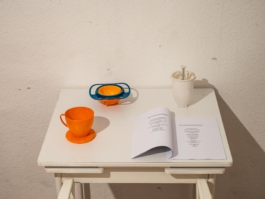
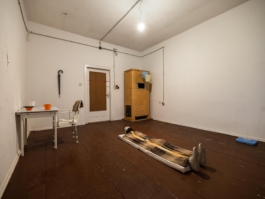
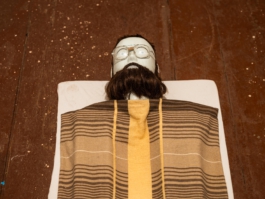
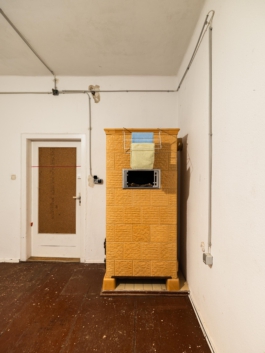
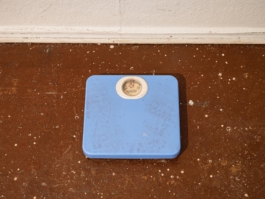
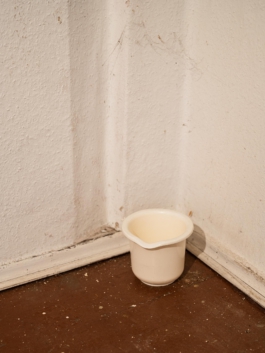
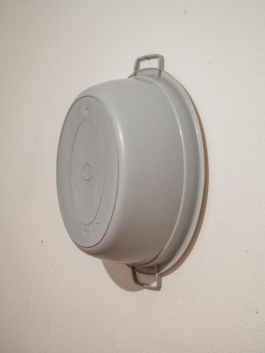
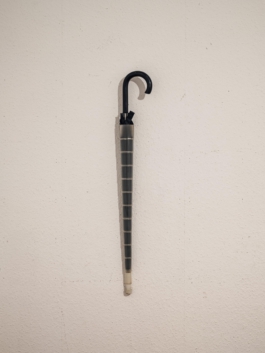
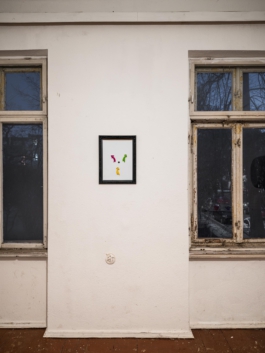
Ausgangspunkt für das Projekt waren Recherchereisen zu selbstorganisierten Museen, Heimatstuben und Vereinen im Leipziger Umland. Die Ausstellung zeigt eine Installation mit einem Modell und Material aus der Recherche von Clara Hofmann, Gregor Peschko und Adrian Lück und beherbergt eine Wiederaufnahme des Kartoffelmuseums Nr. 7 von Leonie Nagel und Max Stocklosa. Jos de Gruyter & Harald Thys bespielen das obere Stockwerk des Hauses mit einer Installation, ausgehend von ihrem fiktiven Charakter “Klottemans”.
EN
Postcards of Camburg since 1896, historical miniature landscapes, tower clockworks, Texan cacti, or tabular records of all fire department operations in the village: In self-organized museums, local history rooms (Heimatstuben), and associations, collectors preserve objects, organize them, and display them to the public. Their collections tell not only what their places used to be, but also what they could have been or could still become. The exhibition Panorama at IDEAL creates a space that takes up the logic of these museums and focuses on the relationship to the objects, places, and narratives.
Collecting and museum-making function as a knowledge technique and identity-forming practice beyond professionalized museum structures, moving between emancipation, autonomy, and demarcation, meaning production, and mere accumulation. Panorama asks how private and local collections give rise to meanings for place, history, and community—often under precarious conditions and driven by the great commitment of individuals.
Who is telling the story? How are personality, biography, and collection interwoven? What is collected and what remains invisible? What ideas of place, belonging, past, and “home” are shaped and challenged? What breaks are apparent?
The project began with research trips to self-organized museums, local history museums, and associations in the Leipzig area. The exhibition features an installation with a model and material from the research of Clara Hofmann, Gregor Peschko, and Adrian Lück, and includes a revival of Kartoffelmuseum Nr. 7 by Leonie Nagel and Max Stocklosa. Jos de Gruyter & Harald Thys present an installation on the upper floor of the building, based on their fictional character “Klottemans.”
PDF Floorplan
Das Projekt wird durch die Kulturstiftung des Freistaates Sachsen und das Kulturamt der Stadt Leipzig gefördert. Diese Maßnahme wird mitfinanziert durch Steuermittel auf Grundlage des vom sächsischen Landtag beschlossenen Haushaltes.
The project is supported by the Cultural Foundation of the Free State of Saxony and the Cultural Office of the City of Leipzig. This measure is co-financed by tax revenues based on the budget approved by the Saxon state parliament.

Panorama
Jos de Gruyter & Harald Thys, Kartoffelmuseum Nr. 7 (Leonie Nagel & Max Stocklosa),
Clara Hofmann, Adrian Lück & Gregor Peschko
11.02. -12.04.2026
Ansichtskarten von Camburg seit 1896, historische Miniaturlandschaften, Turmuhrwerke, texanische Kakteen oder tabellarische Nachweise aller Feuerwehreinsätze im Dorf: In selbstorganisierten Museen, Heimatstuben und -vereinen bewahren Sammler:innen Objekte, ordnen und zeigen sie einer Öffentlichkeit. Ihre Sammlungen erzählen nicht nur davon, was ihre Orte früher waren, sondern auch, was sie hätten sein können oder noch werden könnten. Die Ausstellung Panorama im IDEAL schafft einen Raum, der die Logiken dieser Museen aufnimmt und die Beziehung zu den Objekten, Orten und Erzählungen in den Blick nimmt.
Das Sammeln und Museum-Machen fungiert als Wissenstechnik und identitätsstiftende Praxis jenseits professionalisierter Museumsstrukturen und bewegt sich zwischen Emanzipation, Autonomie und Abgrenzung, Bedeutungsproduktion und bloßer Akkumulation. Panorama fragt danach, wie aus privaten und lokalen Sammlungen Bedeutungen für Ort, Geschichte und Gemeinschaft entstehen – oft unter prekären Bedingungen und getragen vom großen Engagement einzelner Personen.
Wer erzählt? Wie sind Persönlichkeit, Biografie und Sammlung miteinander verwoben? Was wird gesammelt und was bleibt unsichtbar? Welche Vorstellungen von Ort, Zugehörigkeit, Vergangenheit und „Heimat“ werden geprägt und herausgefordert? Welche Brüche zeigen sich?
Ausgangspunkt für das Projekt waren Recherchereisen zu selbstorganisierten Museen, Heimatstuben und Vereinen im Leipziger Umland. Die Ausstellung zeigt eine Installation mit einem Modell und Material aus der Recherche von Clara Hofmann, Gregor Peschko und Adrian Lück und beherbergt eine Wiederaufnahme des Kartoffelmuseums Nr. 7 von Leonie Nagel und Max Stocklosa. Jos de Gruyter & Harald Thys bespielen das obere Stockwerk des Hauses mit einer Installation, ausgehend von ihrem fiktiven Charakter “Klottemans”.
EN
Postcards of Camburg since 1896, historical miniature landscapes, tower clockworks, Texan cacti, or tabular records of all fire department operations in the village: In self-organized museums, local history rooms (Heimatstuben), and associations, collectors preserve objects, organize them, and display them to the public. Their collections tell not only what their places used to be, but also what they could have been or could still become. The exhibition Panorama at IDEAL creates a space that takes up the logic of these museums and focuses on the relationship to the objects, places, and narratives.
Collecting and museum-making function as a knowledge technique and identity-forming practice beyond professionalized museum structures, moving between emancipation, autonomy, and demarcation, meaning production, and mere accumulation. Panorama asks how private and local collections give rise to meanings for place, history, and community—often under precarious conditions and driven by the great commitment of individuals.
Who is telling the story? How are personality, biography, and collection interwoven? What is collected and what remains invisible? What ideas of place, belonging, past, and “home” are shaped and challenged? What breaks are apparent?
The project began with research trips to self-organized museums, local history museums, and associations in the Leipzig area. The exhibition features an installation with a model and material from the research of Clara Hofmann, Gregor Peschko, and Adrian Lück, and includes a revival of Kartoffelmuseum Nr. 7 by Leonie Nagel and Max Stocklosa. Jos de Gruyter & Harald Thys present an installation on the upper floor of the building, based on their fictional character “Klottemans.”
PDF Floorplan
Das Projekt wird durch die Kulturstiftung des Freistaates Sachsen und das Kulturamt der Stadt Leipzig gefördert. Diese Maßnahme wird mitfinanziert durch Steuermittel auf Grundlage des vom sächsischen Landtag beschlossenen Haushaltes.
The project is supported by the Cultural Foundation of the Free State of Saxony and the Cultural Office of the City of Leipzig. This measure is co-financed by tax revenues based on the budget approved by the Saxon state parliament.