OPEN END
Stephan Dillemuth, Fid. Fischer, Calla Henkel & Max Pitegoff
11.06. - 27.09.2026
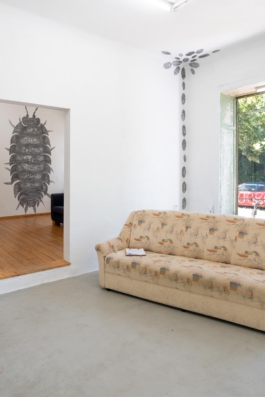
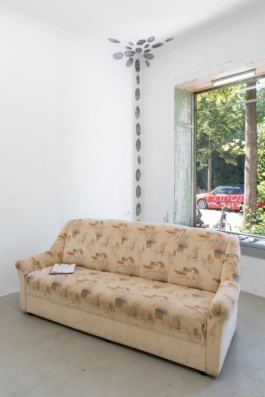
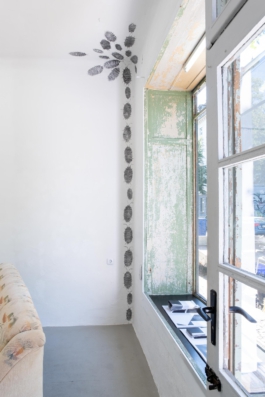
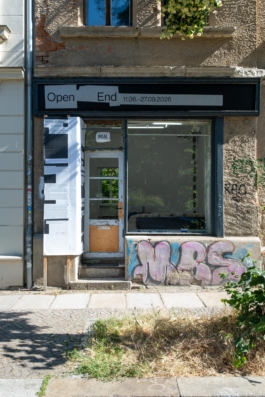
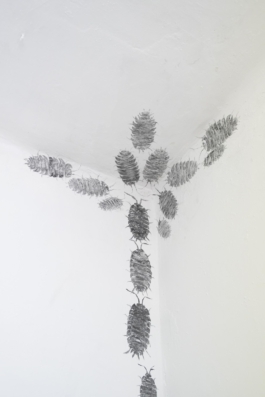
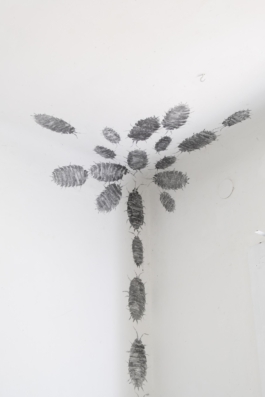
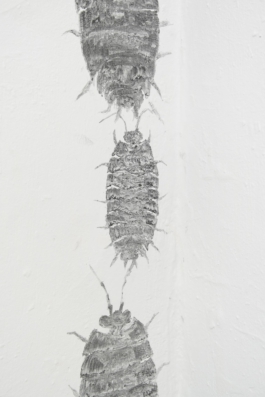
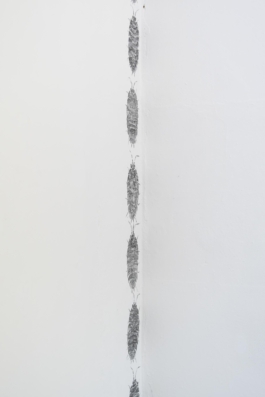
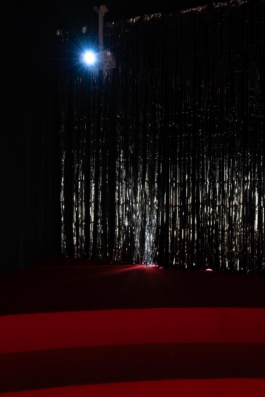
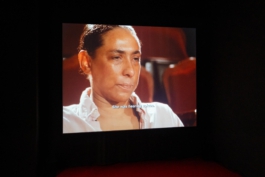
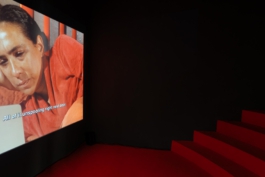
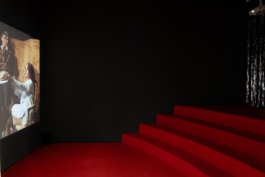
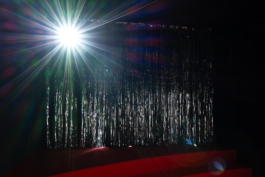
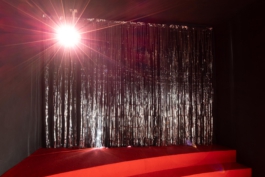
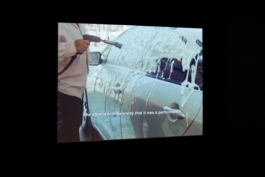
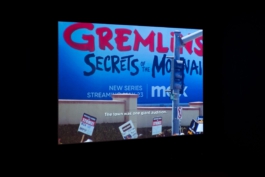
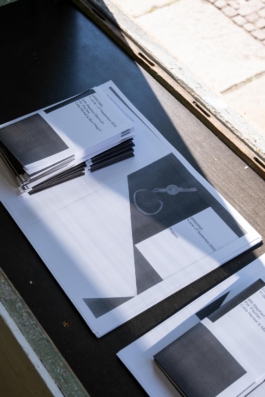
Photos: Anna Sophie Knobloch
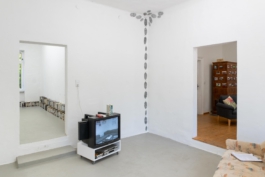
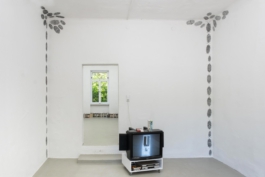
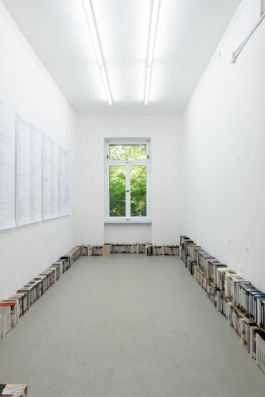
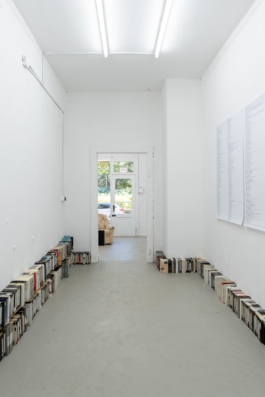
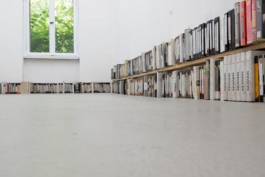
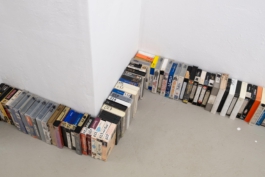
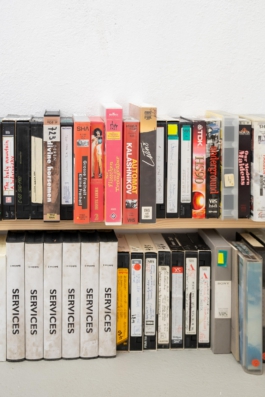
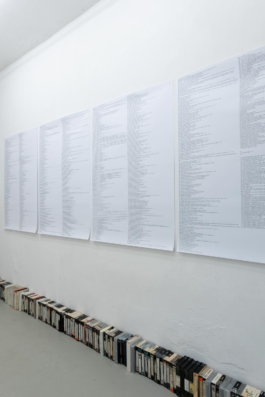
OPEN END explores the conditions of artistic self-organization, its scope for action, and its long-term continuity. Bringing together the VHS video archive of Friesenwall 120 (1990–1994), presented by Stephan Dillemuth, and THEATER, a film by Calla Henkel and Max Pitegoff, the exhibition juxtaposes two documentary approaches in which, even without a physical venue, the archive and the narrative themselves become ongoing and evolving practices.
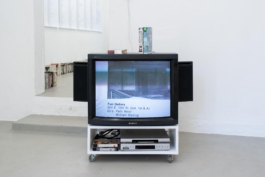
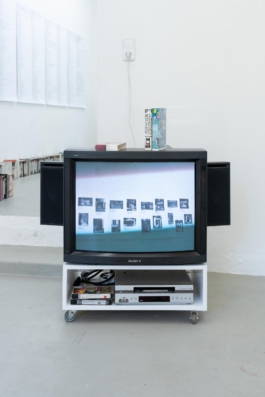
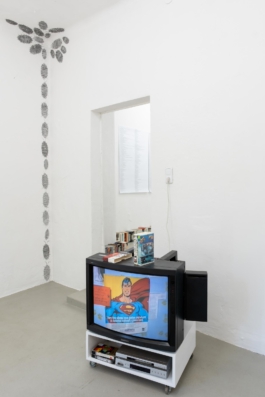
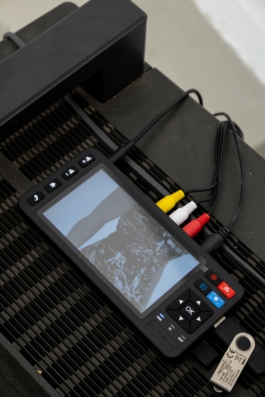
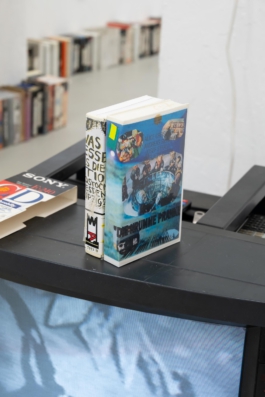
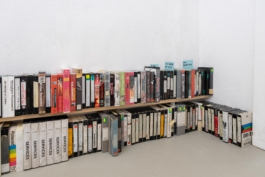
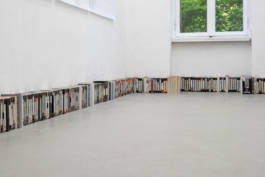
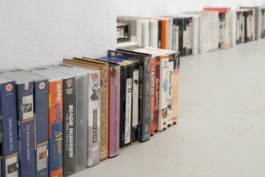
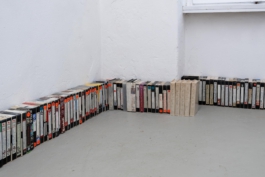
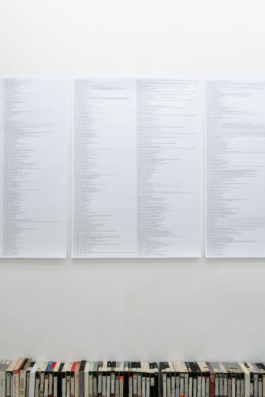
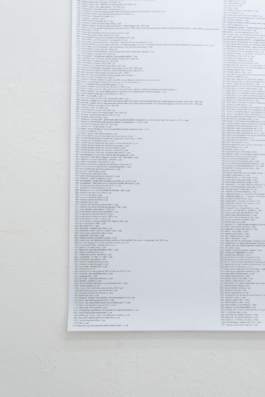
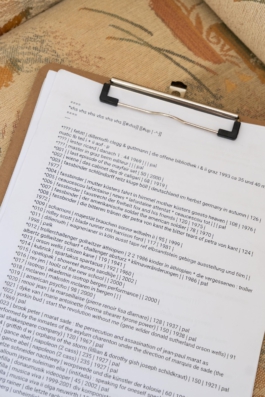
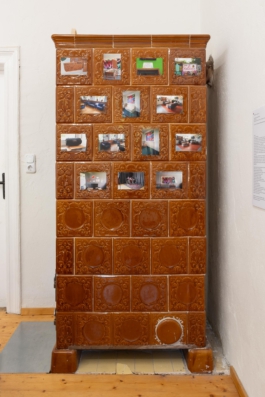
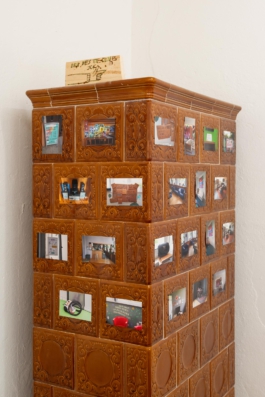
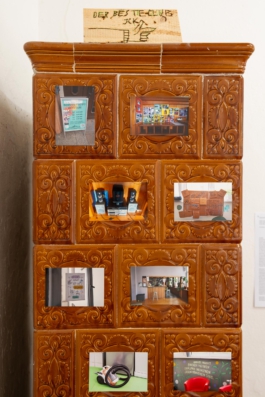
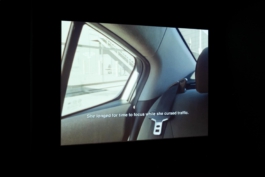
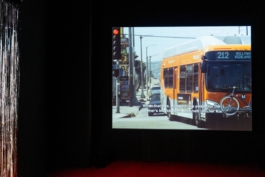
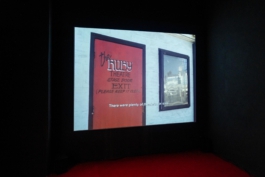
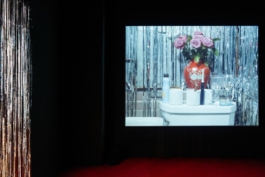
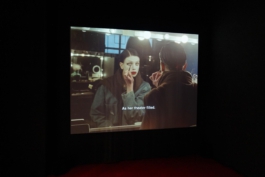
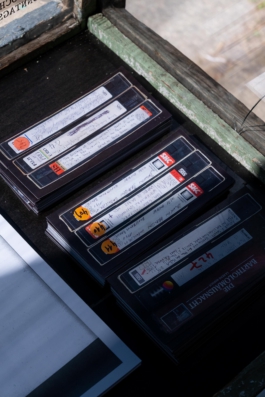
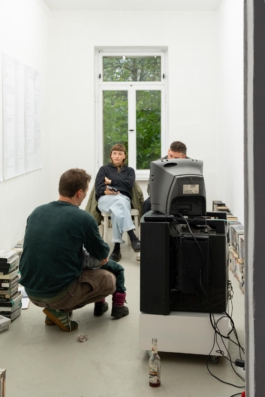
Over time, the VHS video archive of Friesenwall 120 accumulated in the back room of the Cologne-based art space, developing into an extensive collection and a model of a counter-public sphere: approximately 800 VHS tapes containing exhibition documentation, artists’ films, activist material, and television excerpts. Throughout OPEN END, the archive will be collectively viewed, activated, and digitized. The five-part film THEATER by Calla Henkel and Max Pitegoff is set at New Theater Hollywood, a small theater they have operated in Los Angeles since 2024. Drawing on documentary footage from actual rehearsals, the narrative tells the story of the fictional theater owner Kennedy and her longing for community.
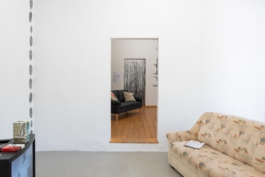
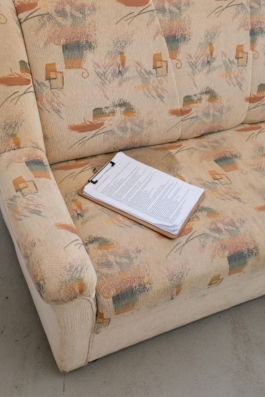
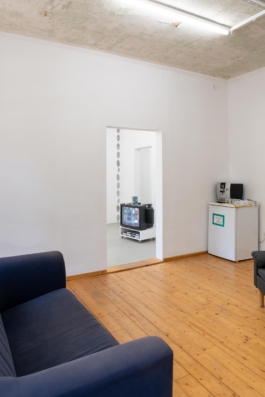
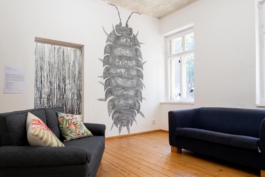
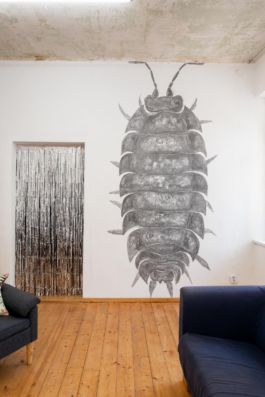
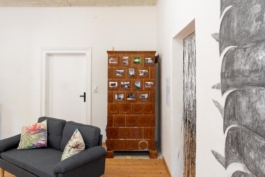
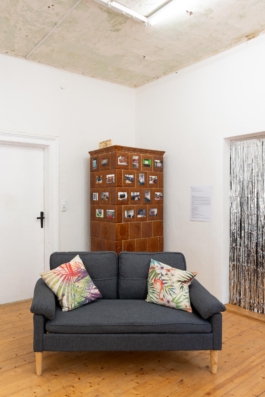
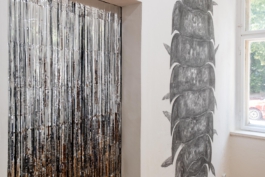
Fid. Fischer’s site-specific mural The Resilient Residency, together with sofas from youth clubs in Saxony, a coffee machine and a photocopier, creates a setting in which IDEAL becomes a salon during the summer months, hosting an ongoing program of network meetings, discussions, film screenings, and workshops. The program explores possibilities for self-organization, resilience, and structures and spaces for action based on solidarity, against the backdrop of intensifying (cultural) political shifts and growing pressure on art venues. Collectives currently without a permanent space are also invited to activate this setting together with us through jam sessions, readings, and workshops. Further information about the program will be announced in due course via our newsletter, as well as on our website and Instagram.
OPEN END is a project by Clara Hofmann and Gregor Peschko with support from Adrian Lück.
Graphic design by Cristina Zickert.
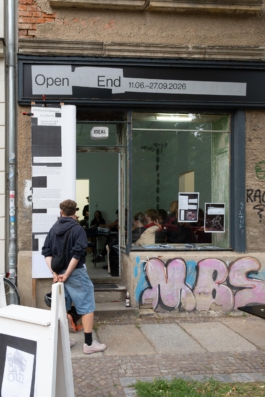
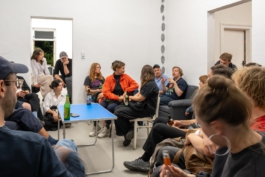
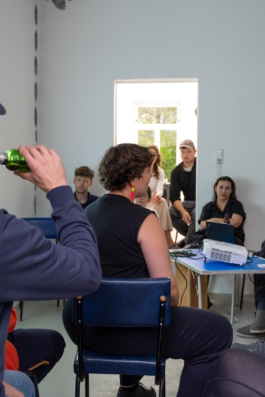
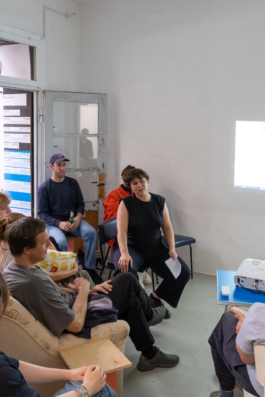
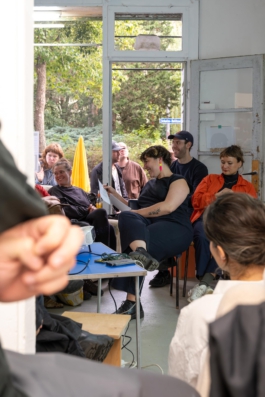
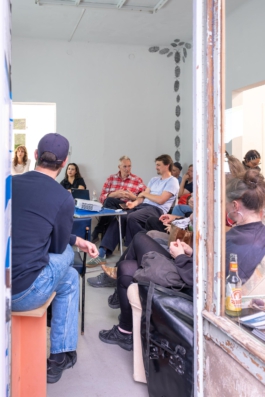
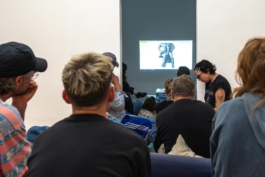
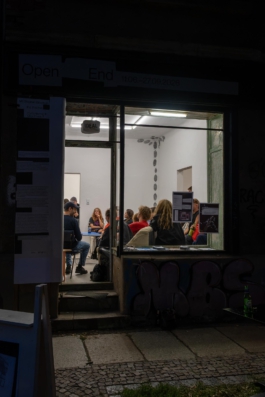
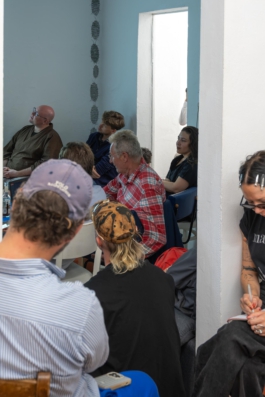
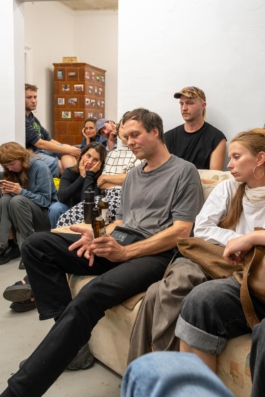
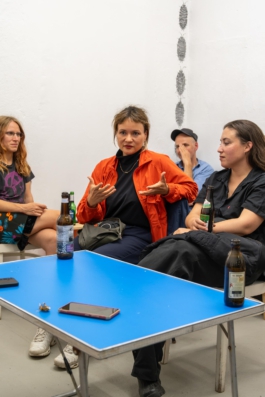
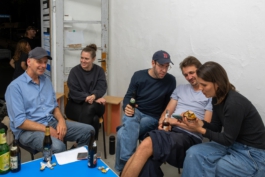
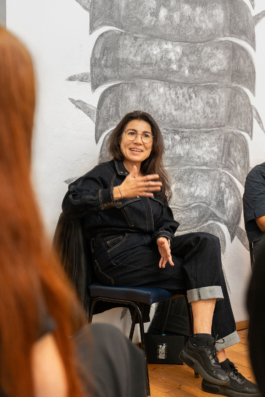
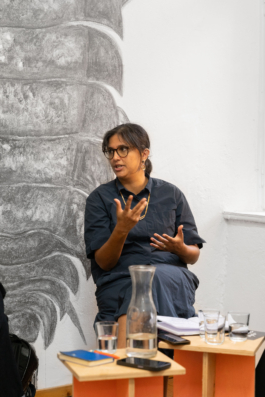
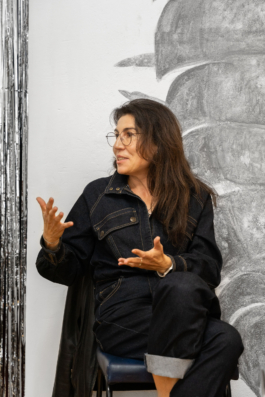
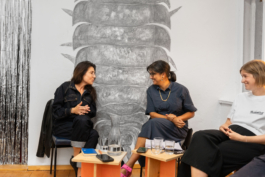
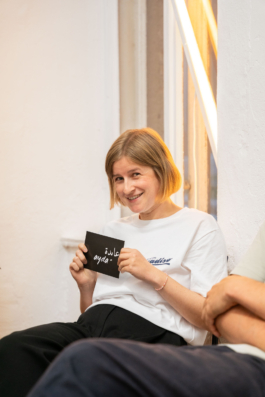
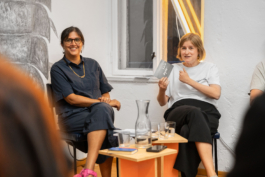
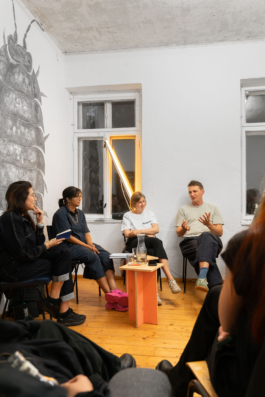
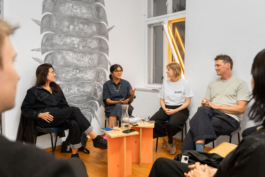
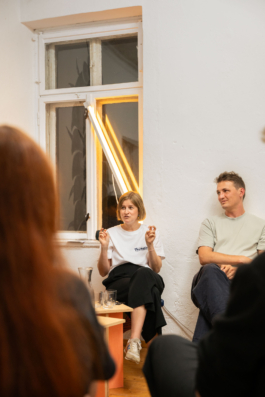
Photos: Anna Sophie Knobloch, Christian Döller
OPEN END – Program
30 August, 7 pm: OPEN END // TALK I – self-organised art spaces
- Stephan Dillemuth — Friesenwall 120, Köln (1990–94)
- Sebastian Stein — ruine hq, Hannover
- Leonie Nagel — CITTIPUNKT, Berlin
- Julia Fischer — Razzia Schaufenster, Berlin
- Florian Hüttner — Galerie für Landschaftskunst, Hamburg
- Olivier Foulon — Etablissement d’en face, Brüssel
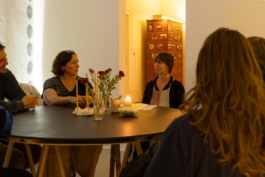
4 September, 7 pm: Hopes and Nopes – Diversity in the Cultural Sector: An Open Exchange on Experiences, Challenges, Hopes and Strategies in Hard Times
OPEN END explores the conditions of artistic self-organization, its spaces for action, and its long-term continuities. The accompanying programme focuses in particular on the possibilities of networking and structures of solidarity. In this context, we have invited curators Olga Vostretsova and Sithara Weeratunga to host a discussion format on the possibilities and potential of diversity-oriented cultural work. Both worked as Diversity Agents at the Museum of Fine Arts Leipzig (MdbK) until August 2025 as part of the 360° programme, with the aim of creating new forms of access and making the perspectives of groups that have so far been underrepresented or insufficiently reached more visible in exhibitions, collections, and programming.
The event will focus on how diversity can be understood and put into practice in the arts and cultural sector – in large cultural institutions as well as in smaller, independent, and self-organized spaces. How can diversity be conceived of and embedded beyond the use of buzzwords? What role do awareness of different perspectives, sensitivity, and both institutional and individual responsibility play in artistic and curatorial processes? And where do tensions emerge between aspirations and reality?
Joining Olga Vostretsova and Sithara Weeratunga in the discussion will be Eva Morlang, a freelance journalist, podcast producer, and project manager, as well as a member and advisor to the Leipzig-based association Forte e.V., and Gregor Peschko, founder of IDEAL and a member of the City of Leipzig’s Advisory Board for Visual Arts. Forte e.V. is committed to transcultural exchange, a more diverse arts and cultural scene, and the visibility of post-migrant perspectives.
17 September, 8pm, Jazz concert
Christopher Kunz – Tenor SaxophoneLorenz Bergler – Alto Saxophone
Max Steinau – Guitar
Florian Müller – Double Bass
Tim Gerwien – Drums / Composition
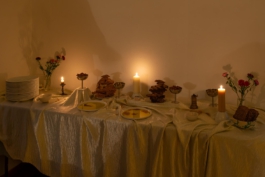
20 September, 7 pm: THE BANQUET OF UNFINISHED THINGS
organised by Modos Dever
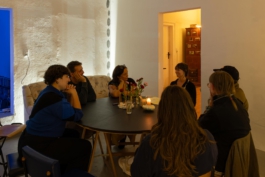
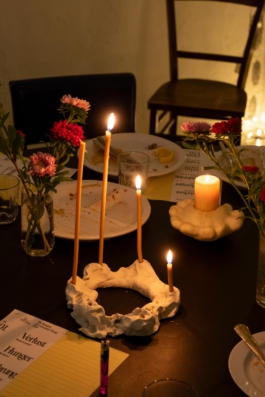
As part of OPEN END at IDEAL, the people behind Kunstraum MODOS-DEVER, Leipzig invite us to gather around a shared table.
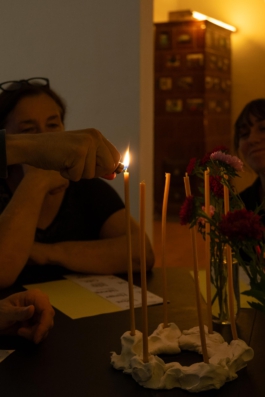
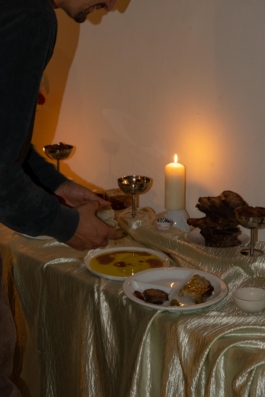
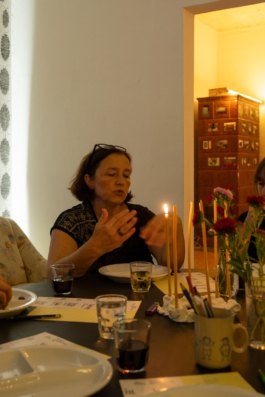
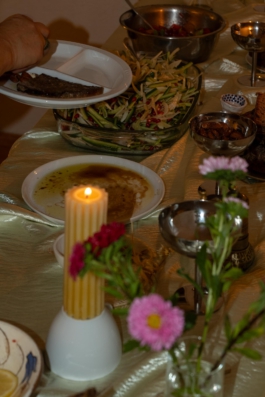
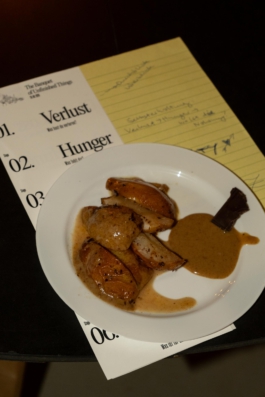
The Banquet of Unfinished Things is a collective meal and ritual around loss, nourishment, unfinished projects and the things we choose to keep alive. What happens to a practice when its space disappears? What remains when a project, collaboration or idea comes to an end — or never quite does? Over food, conversation, writing and small gestures, we will create a space to attend to what has been lost, what has sustained us, and what might still be carried forward. Rather than seeking closure, the banquet opens a space for collective reassembly: a gathering around the unfinished, and an invitation to consider what we might reactivate, continue or keep alive together.
MODOS-DEVER is an independent art space in Leipzig, founded in 2023 by artist Cora Marin. Following the loss of its space in Leipzig-Gohlis, the project is currently navigating questions of continuity, reorientation, and Daseinsberechtigung — its right to exist. What does an independent art space need in order to exist: a permanent physical place, or rather the people, relationships, and practices that create it?
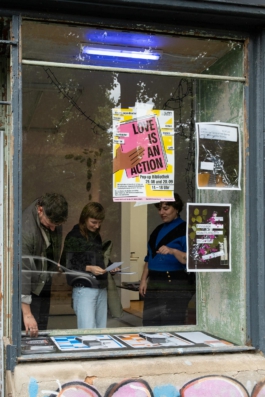
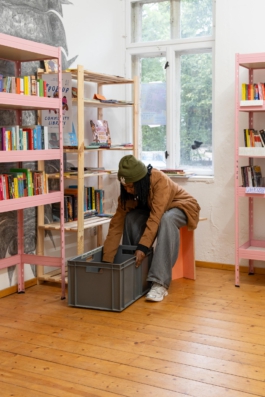
29 August + 20 September 2–6 pm: Pop-Up Library: LIAA – LOVE IS AN ACTION
31 August + 21 September, 7:30–10 pm: Open Jam Session with Opener, organised by Max Steinau
The project is supported by the Cultural Foundation of the Free State of Saxony and the Cultural Office of the City of Leipzig. This measure is co-financed by tax revenues based on the budget approved by the Saxon state parliament.

OPEN END
Stephan Dillemuth, Fid. Fischer, Calla Henkel & Max Pitegoff
11.06. - 27.09.2026
Photos: Anna Sophie Knobloch
OPEN END explores the conditions of artistic self-organization, its scope for action, and its long-term continuity. Bringing together the VHS video archive of Friesenwall 120 (1990–1994), presented by Stephan Dillemuth, and THEATER, a film by Calla Henkel and Max Pitegoff, the exhibition juxtaposes two documentary approaches in which, even without a physical venue, the archive and the narrative themselves become ongoing and evolving practices.
Over time, the VHS video archive of Friesenwall 120 accumulated in the back room of the Cologne-based art space, developing into an extensive collection and a model of a counter-public sphere: approximately 800 VHS tapes containing exhibition documentation, artists’ films, activist material, and television excerpts. Throughout OPEN END, the archive will be collectively viewed, activated, and digitized. The five-part film THEATER by Calla Henkel and Max Pitegoff is set at New Theater Hollywood, a small theater they have operated in Los Angeles since 2024. Drawing on documentary footage from actual rehearsals, the narrative tells the story of the fictional theater owner Kennedy and her longing for community.
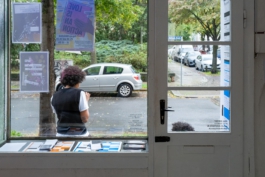
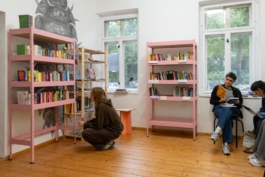
Fid. Fischer’s site-specific mural The Resilient Residency, together with sofas from youth clubs in Saxony, a coffee machine and a photocopier, creates a setting in which IDEAL becomes a salon during the summer months, hosting an ongoing program of network meetings, discussions, film screenings, and workshops. The program explores possibilities for self-organization, resilience, and structures and spaces for action based on solidarity, against the backdrop of intensifying (cultural) political shifts and growing pressure on art venues. Collectives currently without a permanent space are also invited to activate this setting together with us through jam sessions, readings, and workshops. Further information about the program will be announced in due course via our newsletter, as well as on our website and Instagram.
OPEN END is a project by Clara Hofmann and Gregor Peschko with support from Adrian Lück.
Graphic design by Cristina Zickert.
Photos: Anna Sophie Knobloch, Christian Döller
OPEN END – Program
30 August, 7 pm: OPEN END // TALK I – self-organised art spaces
- Stephan Dillemuth — Friesenwall 120, Köln (1990–94)
- Sebastian Stein — ruine hq, Hannover
- Leonie Nagel — CITTIPUNKT, Berlin
- Julia Fischer — Razzia Schaufenster, Berlin
- Florian Hüttner — Galerie für Landschaftskunst, Hamburg
- Olivier Foulon — Etablissement d’en face, Brüssel
4 September, 7 pm: Hopes and Nopes – Diversity in the Cultural Sector: An Open Exchange on Experiences, Challenges, Hopes and Strategies in Hard Times
OPEN END explores the conditions of artistic self-organization, its spaces for action, and its long-term continuities. The accompanying programme focuses in particular on the possibilities of networking and structures of solidarity. In this context, we have invited curators Olga Vostretsova and Sithara Weeratunga to host a discussion format on the possibilities and potential of diversity-oriented cultural work. Both worked as Diversity Agents at the Museum of Fine Arts Leipzig (MdbK) until August 2025 as part of the 360° programme, with the aim of creating new forms of access and making the perspectives of groups that have so far been underrepresented or insufficiently reached more visible in exhibitions, collections, and programming.
The event will focus on how diversity can be understood and put into practice in the arts and cultural sector – in large cultural institutions as well as in smaller, independent, and self-organized spaces. How can diversity be conceived of and embedded beyond the use of buzzwords? What role do awareness of different perspectives, sensitivity, and both institutional and individual responsibility play in artistic and curatorial processes? And where do tensions emerge between aspirations and reality?
Joining Olga Vostretsova and Sithara Weeratunga in the discussion will be Eva Morlang, a freelance journalist, podcast producer, and project manager, as well as a member and advisor to the Leipzig-based association Forte e.V., and Gregor Peschko, founder of IDEAL and a member of the City of Leipzig’s Advisory Board for Visual Arts. Forte e.V. is committed to transcultural exchange, a more diverse arts and cultural scene, and the visibility of post-migrant perspectives.
17 September, 8pm, Jazz concert
Christopher Kunz – Tenor SaxophoneLorenz Bergler – Alto Saxophone
Max Steinau – Guitar
Florian Müller – Double Bass
Tim Gerwien – Drums / Composition
20 September, 7 pm: THE BANQUET OF UNFINISHED THINGS
organised by Modos Dever
As part of OPEN END at IDEAL, the people behind Kunstraum MODOS-DEVER, Leipzig invite us to gather around a shared table.
The Banquet of Unfinished Things is a collective meal and ritual around loss, nourishment, unfinished projects and the things we choose to keep alive. What happens to a practice when its space disappears? What remains when a project, collaboration or idea comes to an end — or never quite does? Over food, conversation, writing and small gestures, we will create a space to attend to what has been lost, what has sustained us, and what might still be carried forward. Rather than seeking closure, the banquet opens a space for collective reassembly: a gathering around the unfinished, and an invitation to consider what we might reactivate, continue or keep alive together.
MODOS-DEVER is an independent art space in Leipzig, founded in 2023 by artist Cora Marin. Following the loss of its space in Leipzig-Gohlis, the project is currently navigating questions of continuity, reorientation, and Daseinsberechtigung — its right to exist. What does an independent art space need in order to exist: a permanent physical place, or rather the people, relationships, and practices that create it?
29 August + 20 September 2–6 pm: Pop-Up Library: LIAA – LOVE IS AN ACTION
31 August + 21 September, 7:30–10 pm: Open Jam Session with Opener, organised by Max Steinau
The project is supported by the Cultural Foundation of the Free State of Saxony and the Cultural Office of the City of Leipzig. This measure is co-financed by tax revenues based on the budget approved by the Saxon state parliament.